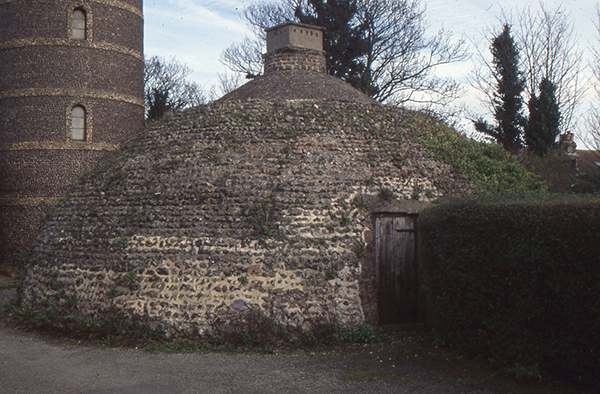
Today’s post for VM_365 Day 263 shows the disused reservoir located next to Crampton Tower, Broadstairs which was featured in yesterday’s VM_365 post.
The reservoir formed part of the Broadstairs waterworks built by Thomas Crampton in 1859. Water was drawn from a deep well sunk into the chalk and was stored in the large reservoir covered by this impressive flint and mortar dome. The reservoir had a capacity of 380000 litres and water was pumped by a gas operated engine to a storage tank at the top of Crampton Tower, where gravity created enough water pressure to supply houses nearby.
The dome of the reservoir measures 8.8 metres (29 ft) in diameter and 5.4 metres (18 ft) high. It is constructed of brick inside and flint and daub on the outside of the dome although the upper part is constructed of brick with a chimney. On top of the chimney is a square ventilation box. Like Crampton’s Tower, the reservoir is Grade II listed and together they form a landmark in Thanet’s urban engineering heritage.
For more information about Thomas Crampton and Crampton Tower, visit Crampton Tower Museum in Broadstairs.
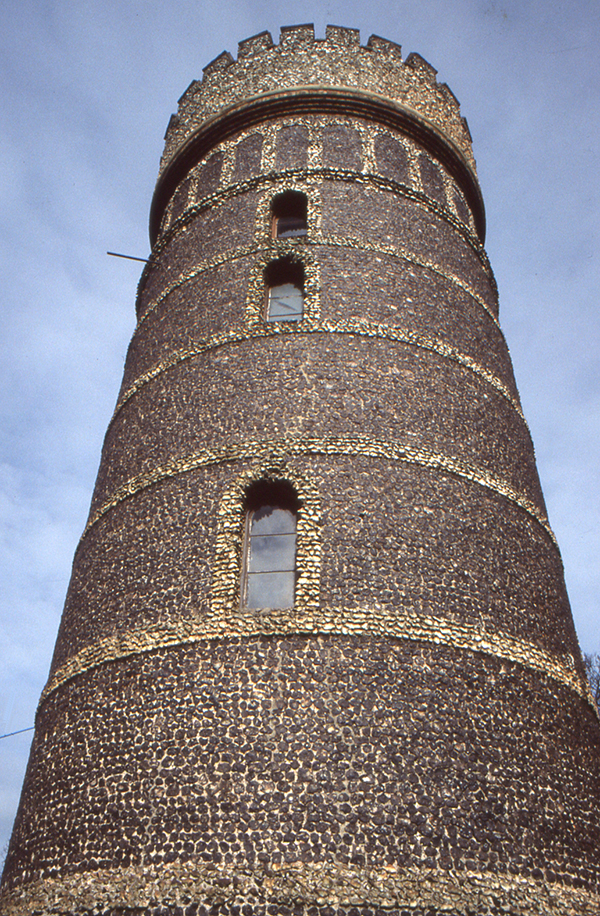 The image for Day 262 of the VM_365 project is of one of the landmarks of Thanet’s industrial archaeological heritage, Crampton Tower at Broadstairs. The tower stands three stories high (24.38m) and is faced with flint, the ubiquitous building material of the small towns and villages close to the sea in Thanet. The divisions between the stories and the windows and doors are picked out with rough flint dressings and string courses. The tower and reservoir are Grade II listed.
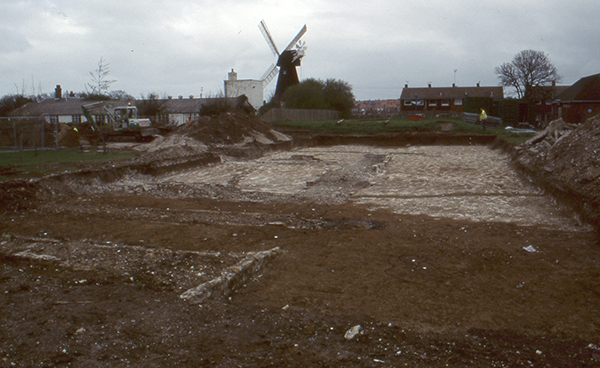 The image for Day 261 of the VM_365 project shows two aspects of the archaeology of Drapers Mills, Margate, both from very different periods but occupying the same landscape.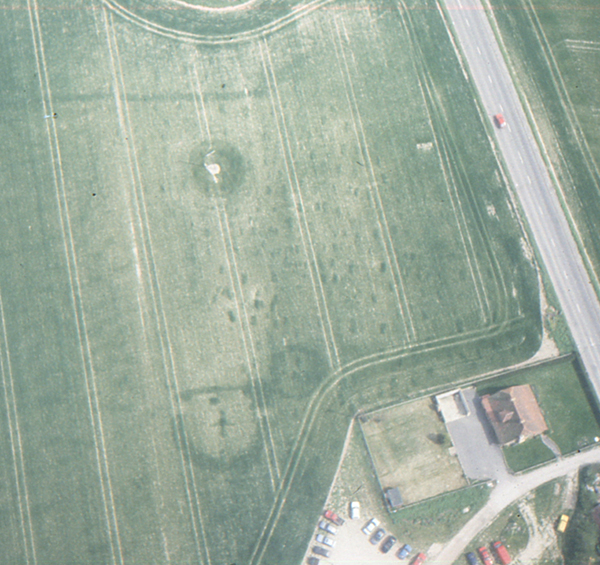
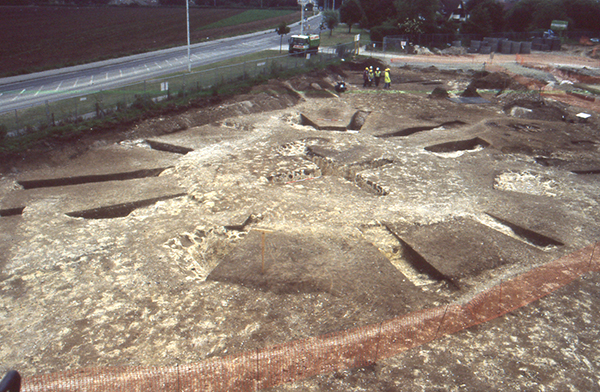
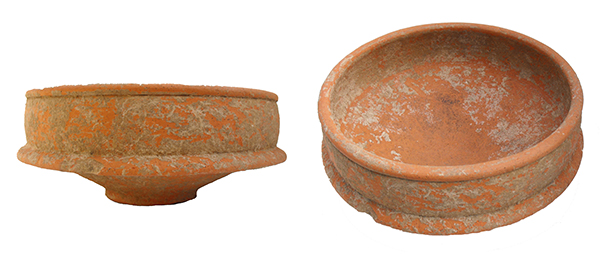
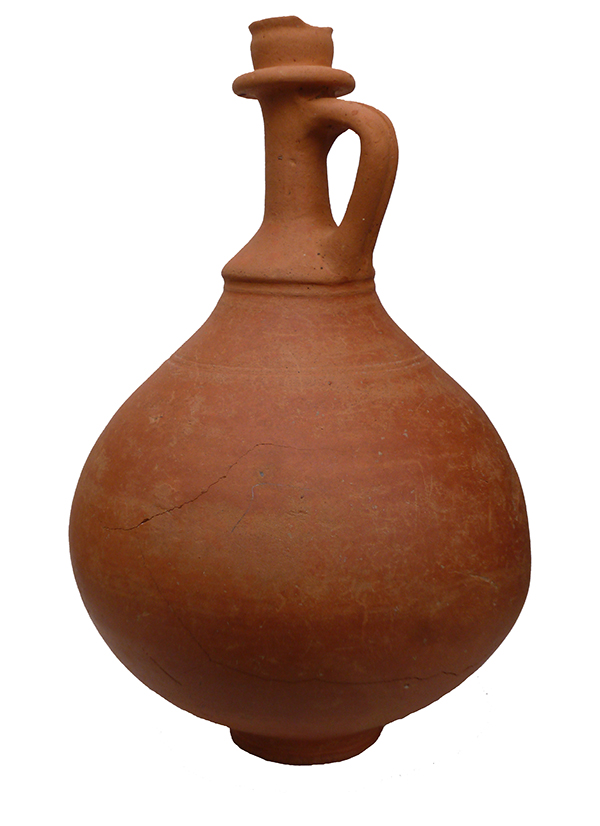
 The image for Day 256 0f the VM_365 project is of a Roman Beaker found in a grave excavated in Ramsgate, which has